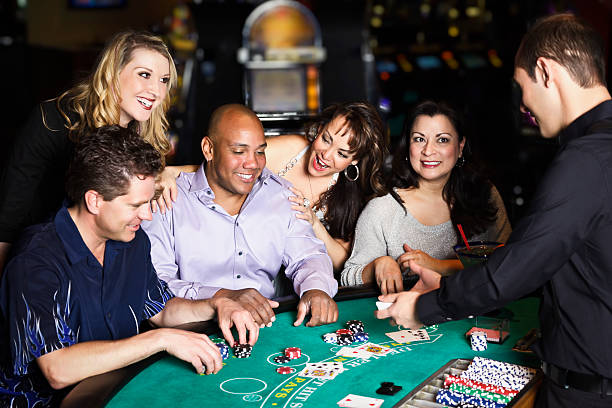
Mastering the casino an advanced guide to high-stakes strategy

Mastering the casino an advanced guide to high-stakes strategy

Understanding High-Stakes Gambling

High-stakes gambling is not merely about wagering large sums of money; it encompasses a complex strategy that requires keen insight into game mechanics and player psychology. For many, entering the high-stakes arena is a rite of passage, but it demands thorough preparation. Understanding the odds and the house edge is essential, as they can significantly influence your expected outcomes. Players must have a firm grasp of the games they choose, be it poker, blackjack, or roulette, to navigate the intricacies of high-stakes betting effectively. By comparing various platforms, users can discover options like payid casino that offer secure payment methods and enhanced experiences.

Additionally, the environment in which high-stakes gambling occurs can alter strategies. High-stakes tables often feature experienced players who utilize advanced techniques and strategies that necessitate adaptability. Learning to read opponents, recognizing betting patterns, and adjusting your gameplay accordingly are vital components of success at these tables. Thus, knowledge of both game mechanics and the behavior of fellow players becomes indispensable in this high-stakes world.

Finally, one must adopt a disciplined approach to bankroll management when playing at high stakes. Setting limits on how much you can afford to lose is crucial for maintaining a healthy gambling experience. Successful players often implement strict budgets and strategies that dictate when to walk away. This discipline helps not only in minimizing losses but also in maximizing winning opportunities, ultimately leading to a more sustainable gambling practice.

Advanced Strategies for Popular Casino Games

When delving into high-stakes strategy, understanding game-specific techniques becomes paramount. For poker, mastering concepts like pot odds, implied odds, and player reads is essential. Advanced players use this information to manipulate betting, forcing opponents into difficult decisions. Familiarizing yourself with various poker styles—tight, aggressive, loose, and passive—will enable you to exploit weaknesses in your opponents’ strategies. Adapting to the flow of the game can significantly tilt the odds in your favor.

In blackjack, basic strategy charts can guide decisions, but advanced players often deploy techniques like card counting. This skill involves tracking the ratio of high to low cards remaining in the deck, thus giving players a statistical advantage when placing bets. By recognizing when the deck is favorable, players can increase their stakes effectively and mitigate losses during unfavorable conditions. This analytical approach, combined with a strong understanding of betting strategies, allows for greater control over the game.

Roulette, while often seen as purely a game of chance, can also benefit from strategic betting systems. Methods like the Martingale and Fibonacci systems offer frameworks for managing bets in a way that capitalizes on winning streaks and minimizes the impact of losses. However, it’s crucial to remember that no strategy can change the house edge, and responsible gambling practices should always be followed. High-stakes players must be aware that even the best strategies can lead to losses, emphasizing the need for a balanced approach.

The Psychology of High-Stakes Gambling

The psychological aspects of high-stakes gambling play a significant role in determining success. Understanding your mindset and emotional reactions can help refine your strategy. High pressure can lead to impulsive decisions, so maintaining a calm demeanor is crucial. Techniques such as visualization and mindfulness can enhance focus and reduce anxiety, allowing players to make more calculated decisions. The capacity to manage emotions during high-stakes play can distinguish successful gamblers from those who struggle.

Additionally, recognizing the psychological tactics employed by opponents can enhance your gameplay. Players often engage in bluffing or intimidation to throw others off their game. Being aware of these strategies can provide a critical edge; understanding when to hold your ground and when to fold can change the outcome of a high-stakes game. Developing strong observational skills and emotional intelligence can enable players to read situations and adjust strategies dynamically.

Another aspect to consider is the impact of loss. High-stakes gambling can lead to significant financial and emotional strain. Players must cultivate resilience and the ability to detach themselves from individual outcomes. Understanding that losses are part of the game can help maintain long-term focus on strategy rather than being solely outcome-driven. Establishing a balanced approach to wins and losses is fundamental in mastering high-stakes gambling.

Implementing Effective Bankroll Management

Bankroll management is the backbone of any high-stakes gambling strategy. Successful players often implement strict guidelines to ensure their gambling remains sustainable. Establishing a clear budget and adhering to it can help mitigate the risks associated with high-stakes games. This entails setting aside a designated amount of money for gambling and ensuring that losses do not exceed this limit, thus fostering a responsible gambling habit.

Moreover, determining the appropriate bet size based on your bankroll is essential. Experts recommend betting only a small percentage of your total bankroll on any single game. This strategy prevents devastating losses and enables players to endure the inevitable ups and downs of gambling. For instance, if your bankroll is $10,000, a reasonable approach may be to limit bets to $100 or less, ensuring your ability to weather a series of losses without depleting your funds.

Additionally, players should continually assess their bankroll status and adjust their betting strategies accordingly. As wins accumulate, it might be tempting to increase bet sizes. However, maintaining discipline and sticking to the original bankroll management plan is key to long-term success. By doing so, players can enjoy the thrills of high-stakes gambling without jeopardizing their financial well-being.

Discovering Expert Resources at PayID Pokies Australia

For those looking to deepen their understanding of high-stakes strategies, resources like PayID Pokies Australia offer invaluable information. This platform provides comprehensive guides on various online casinos, emphasizing safe payment methods and gaming experiences. With a focus on user-friendly navigation, the site equips players with the necessary tools to select the best platforms tailored to their gaming preferences.

PayID Pokies Australia also highlights the importance of responsible gambling. By offering insights into budgeting, bankroll management, and setting limits, the site encourages players to engage in safe gambling practices. This emphasis on education ensures that users can enjoy high-stakes gaming without compromising their financial and emotional well-being.

Furthermore, the platform continually updates its content to reflect the latest developments in the online gaming world. Whether you’re seeking top-rated pokies games or detailed reviews of online casinos, PayID Pokies Australia serves as a comprehensive resource. By leveraging this knowledge, players can enhance their gaming strategies and overall experience in high-stakes gambling.

Cultural reflections on gambling habits around the world

Cultural reflections on gambling habits around the world

Understanding Gambling as a Cultural Phenomenon

Gambling is often viewed through a cultural lens, showcasing its diversity across various societies. In some cultures, gambling is seen as a traditional practice, celebrated and respected, while in others, it is often stigmatized or prohibited. For instance, in many Asian countries, such as China and Japan, gambling has deep historical roots tied to festivals and celebrations, where games of chance are integral to communal gatherings. This cultural acceptance can be attributed to the way gambling is woven into the fabric of social interactions. If you’re looking for platforms that prioritize quick cash-outs, checking out fast withdrawal casinos canada can be beneficial.

Conversely, Western societies typically treat gambling with a more commercial attitude, where casinos and betting shops are commonplace. Countries like the United States have transformed gambling into a lucrative industry, with Las Vegas serving as the epitome of this cultural shift. The bright lights and extravagant shows reflect an entertainment-centric view of gambling, where it is not just about winning money but also about the overall experience. This commodification of gambling reveals how cultural perceptions can evolve over time, influenced by economic factors.

Additionally, the rise of online gambling has further blurred the cultural lines, allowing individuals from various backgrounds to engage in games from their homes. This accessibility introduces new dynamics, as traditional cultural attitudes may clash with the anonymity and convenience of digital platforms. Ultimately, understanding gambling through its cultural context enriches our appreciation of how this activity resonates differently around the globe.

The Social Implications of Gambling

Gambling often reflects societal values and behaviors, revealing deeper issues related to economic conditions and social stratification. In places where economic opportunities are limited, gambling may serve as a desperate means of achieving financial stability. This is particularly evident in some developing countries, where individuals may stake their hopes on games of chance as a shortcut to wealth. However, such reliance can lead to destructive consequences, including addiction and social issues, highlighting the darker side of gambling.

In contrast, affluent societies may approach gambling more as a leisure activity. Here, gambling is often associated with luxury and status, manifesting in high-stakes poker games and exclusive casinos. These environments cater to those who view gambling as a form of entertainment rather than a necessity. The distinction in perspectives underscores how gambling is contextualized within economic frameworks, either as a means of survival or as a pursuit of pleasure.

Moreover, community responses to gambling can vary widely. Some cultures may actively promote responsible gambling practices, encouraging individuals to set limits and engage in gambling as a regulated activity. Others might adopt a more laissez-faire attitude, viewing gambling as a personal choice. These responses are informed by local laws and the prevailing attitudes towards risk-taking, thus shaping the social fabric surrounding gambling within each culture.

Religious and Ethical Considerations

The ethical implications of gambling are often examined through religious beliefs, which significantly influence cultural attitudes toward gambling. In many religions, gambling is viewed negatively, associated with greed and moral decay. For example, in Islam, all forms of gambling are prohibited, grounded in the belief that it leads to unjust gains and societal harm. This religious doctrine shapes the cultural landscape in many predominantly Muslim countries, where gambling activities are heavily restricted or completely banned.

On the other hand, some cultures interpret gambling through a more permissive lens, often integrating it into social rituals. In Hinduism, for instance, gambling is accepted during certain festivals, highlighting the duality of its acceptance based on context. This divergence illustrates the complex relationship between faith, morality, and cultural practices, raising questions about the role of ethics in defining acceptable behaviors.

Furthermore, debates around gambling ethics are increasingly relevant in contemporary discussions about addiction and social responsibility. As awareness of gambling-related harm grows, many argue for a balanced approach that recognizes both individual freedom and the potential for exploitation. This dialogue influences how gambling is legislated and culturally perceived, showcasing a dynamic interplay between religious values, ethical considerations, and societal norms.

The Impact of Technology on Gambling Culture

The advent of technology has revolutionized gambling habits worldwide, reshaping how individuals engage with games of chance. Online casinos and mobile betting apps have made gambling more accessible than ever, allowing players to participate from anywhere with an internet connection. This convenience has led to an increase in participation rates, particularly among younger generations who are comfortable navigating digital platforms. Consequently, this shift has raised concerns about responsible gambling and the potential for addiction.

Moreover, technology has enabled the emergence of new gambling forms, such as esports betting and virtual reality casinos. These innovations appeal to a tech-savvy audience and reflect changing cultural trends. For example, the rise of esports has introduced a new demographic of gamblers who may not have previously engaged with traditional forms of betting. This evolution not only broadens the scope of gambling but also challenges existing cultural norms around what constitutes acceptable gambling behavior.

Additionally, the use of technology in gambling raises questions about regulation and consumer protection. With the rapid growth of online gambling, many jurisdictions struggle to keep pace with new developments, leading to potential risks for players. This gap necessitates a discussion on how cultural attitudes towards gambling can inform responsible legislation that balances innovation with the protection of vulnerable individuals. As technology continues to evolve, the cultural reflections on gambling habits will also adapt, highlighting the need for ongoing dialogue and regulation.

Exploring Global Casino Experiences

Different regions offer unique casino experiences that reflect their respective cultural values and traditions. For instance, casinos in Macau are not merely places for gambling; they are lavish entertainment hubs featuring extravagant shows, fine dining, and shopping. This integration of luxury and leisure epitomizes the cultural significance of gambling in China, where it is often associated with wealth and status. Visitors to Macau not only seek to win but to experience a lifestyle that is aspirational and immersive.

In contrast, European casinos, particularly those in Monte Carlo and Las Vegas, often emphasize elegance and sophistication. The architectural grandeur of these establishments reflects a cultural appreciation for aesthetics and heritage. European casinos typically attract a diverse clientele, from high rollers to casual players, creating an environment that is both exclusive and inclusive. This diversity enriches the overall gambling culture, as visitors share various backgrounds and expectations.

Furthermore, emerging markets, such as those in South America, present a blend of traditional and modern gambling practices. Countries like Brazil are starting to explore the legalization of casinos, which would usher in new cultural dynamics as they navigate the balance between economic opportunity and social responsibility. As global attitudes toward gambling evolve, so too will the experiences offered by casinos, highlighting the interplay between cultural traditions and modernity.

Coronavirus disease 2019

COVID-19 is a contagious disease caused by the coronavirus SARS-CoV-2. In January 2020, the disease spread worldwide, resulting in the COVID-19 pandemic.

The symptoms of COVID‑19 can vary but often include fever,[7] fatigue, cough, breathing difficulties, loss of smell, and loss of taste.[8][9][10] Symptoms may begin one to fourteen days after exposure to the virus. At least a third of people who are infected do not develop noticeable symptoms.[11][12] Of those who develop symptoms noticeable enough to be classified as patients, most (81%) develop mild to moderate symptoms (up to mild pneumonia), while 14% develop severe symptoms (dyspnea, hypoxia, or more than 50% lung involvement on imaging), and 5% develop critical symptoms (respiratory failure, shock, or multiorgan dysfunction).[13] Older people have a higher risk of developing severe symptoms. Some complications result in death. Some people continue to experience a range of effects (long COVID) for months or years after infection, and damage to organs has been observed.[14] Multi-year studies on the long-term effects are ongoing.[15]

COVID‑19 transmission occurs when infectious particles are breathed in or come into contact with the eyes, nose, or mouth. The risk is highest when people are in close proximity, but small airborne particles containing the virus can remain suspended in the air and travel over longer distances, particularly indoors. Transmission can also occur when people touch their eyes, nose, or mouth after touching surfaces or objects that have been contaminated by the virus. People remain contagious for up to 20 days and can spread the virus even if they do not develop symptoms.[16]

Testing methods for COVID-19 to detect the virus’s nucleic acid include real-time reverse transcription polymerase chain reaction (RT‑PCR),[17][18] transcription-mediated amplification,[17][18][19] and reverse transcription loop-mediated isothermal amplification (RT‑LAMP)[17][18] from a nasopharyngeal swab.[20]

Several COVID-19 vaccines have been approved and distributed in various countries, many of which have initiated mass vaccination campaigns. Other preventive measures include physical or social distancing, quarantining, ventilation of indoor spaces, use of face masks or coverings in public, covering coughs and sneezes, hand washing, and keeping unwashed hands away from the face. While drugs have been developed to inhibit the virus, the primary treatment is still symptomatic, managing the disease through supportive care, isolation, and experimental measures.

Mythes en misvattingen over gokken wat je echt moet weten

Mythes en misvattingen over gokken wat je echt moet weten

Gokken is altijd een gegarandeerde manier om geld te verdienen

Veel mensen geloven dat gokken een zekere manier is om financieel profijt te behalen. Dit idee wordt vaak gevoed door verhalen van geluksvogels die grote bedragen winnen. In werkelijkheid is gokken echter een spel van kans en de uitkomsten zijn onvoorspelbaar. De kans om te winnen is vaak veel kleiner dan de kans om te verliezen. Een goede manier om vertrouwd te raken met online spelen, is door platforms te verkennen zoals betsixty nl, waar informatie over spellen en strategieën beschikbaar is.

Daarnaast zijn de meeste kansspelen ontworpen om een voordeel te bieden aan het casino. Dit betekent dat, op de lange termijn, de meeste spelers uiteindelijk hun inzetten verliezen. Het is belangrijk om te onthouden dat gokken vooral bedoeld is voor entertainment en niet als een manier om rijk te worden.

Je kunt gokken beheersen met strategieën

Een andere veelvoorkomende misvatting is dat je met de juiste strategie altijd kunt winnen. Hoewel sommige spellen, zoals poker, vaardigheden en strategie vereisen, zijn de meeste casinospellen puur gebaseerd op geluk. Het ontwikkelen van effectieve gokken | strategieën voor winning kan nuttig zijn, maar garant staat het niet voor succes.

Bovendien kan het vasthouden aan bepaalde strategieën leiden tot onverantwoorde gokpraktijken en grotere verliezen. Het is daarom van cruciaal belang om realistische verwachtingen te hebben en verantwoordelijk te gokken.

Online gokken is altijd onveilig

Een veelvoorkomende angst bij online gokken is dat het niet veilig is. Dit is echter een misvatting die voortkomt uit een gebrek aan informatie. Betrouwbare online casino’s opereren onder strikte vergunningen en hebben strenge beveiligingsmaatregelen om persoonlijke en financiële gegevens te beschermen. Veel van deze platforms zijn ook onderhevig aan audits en regulaties om eerlijke spellen te waarborgen.

Het is wel essentieel om je te verdiepen in de reputatie van een online casino voordat je gaat spelen. Kies voor sites die transparant zijn over hun licenties en die goede recensies hebben van andere spelers. Veilig online gokken is zeker mogelijk als je je goed informeert.

Gokken leidt altijd tot verslaving

Hoewel gokken verslavend kan zijn voor sommige mensen, geldt dit niet voor iedereen. Veel spelers genieten van gokken als een vorm van vermaak zonder dat dit leidt tot problematisch gedrag. Het is belangrijk om te erkennen dat verslaving vaak samenhangt met andere factoren, zoals persoonlijke omstandigheden en mentale gezondheid.

Verantwoord gokken is essentieel. Dit houdt in dat je grenzen stelt aan jezelf en bewust omgaat met je speelgedrag. Veel online casino’s bieden tools en middelen aan om spelers te helpen verantwoord te gokken, zoals limieten en zelfuitsluitingsopties.

BetSixty Casino Nederland biedt een veilige speelervaring

BetSixty Casino Nederland is een uitstekend voorbeeld van een betrouwbaar online casino waar spelers kunnen genieten van een uitgebreid aanbod aan spellen. Het platform is ontworpen met gebruiksvriendelijkheid en transparantie in gedachten, waardoor spelers eenvoudig toegang hebben tot informatie over betalingsmethoden, licenties en bonussen.

Met veilige betaalmethoden zoals iDEAL en crypto-betalingen biedt BetSixty een zorgeloze speelervaring. Bovendien moedigt het casino verantwoord spelen aan door het aanbieden van handige tools die spelers helpen hun speelgedrag in de hand te houden. Ontdek de wereld van online gokken met BetSixty, waar entertainment en veiligheid hand in hand gaan.

Coronavirus disease 2019

Coronavirus disease 2019

COVID-19 is a contagious disease caused by the coronavirus SARS-CoV-2. In January 2020, the disease spread worldwide, resulting in the COVID-19 pandemic.

The symptoms of COVID‑19 can vary but often include fever,[7] fatigue, cough, breathing difficulties, loss of smell, and loss of taste.[8][9][10] Symptoms may begin one to fourteen days after exposure to the virus. At least a third of people who are infected do not develop noticeable symptoms.[11][12] Of those who develop symptoms noticeable enough to be classified as patients, most (81%) develop mild to moderate symptoms (up to mild pneumonia), while 14% develop severe symptoms (dyspnea, hypoxia, or more than 50% lung involvement on imaging), and 5% develop critical symptoms (respiratory failure, shock, or multiorgan dysfunction).[13] Older people have a higher risk of developing severe symptoms. Some complications result in death. Some people continue to experience a range of effects (long COVID) for months or years after infection, and damage to organs has been observed.[14] Multi-year studies on the long-term effects are ongoing.[15]

COVID‑19 transmission occurs when infectious particles are breathed in or come into contact with the eyes, nose, or mouth. The risk is highest when people are in close proximity, but small airborne particles containing the virus can remain suspended in the air and travel over longer distances, particularly indoors. Transmission can also occur when people touch their eyes, nose, or mouth after touching surfaces or objects that have been contaminated by the virus. People remain contagious for up to 20 days and can spread the virus even if they do not develop symptoms.[16]

Testing methods for COVID-19 to detect the virus’s nucleic acid include real-time reverse transcription polymerase chain reaction (RT‑PCR),[17][18] transcription-mediated amplification,[17][18][19] and reverse transcription loop-mediated isothermal amplification (RT‑LAMP)[17][18] from a nasopharyngeal swab.[20]

Several COVID-19 vaccines have been approved and distributed in various countries, many of which have initiated mass vaccination campaigns. Other preventive measures include physical or social distancing, quarantining, ventilation of indoor spaces, use of face masks or coverings in public, covering coughs and sneezes, hand washing, and keeping unwashed hands away from the face. While drugs have been developed to inhibit the virus, the primary treatment is still symptomatic, managing the disease through supportive care, isolation, and experimental measures.