
Gambling's cultural perceptions How beliefs shape the player's experience
Gambling's cultural perceptions How beliefs shape the player's experience
Understanding Cultural Perceptions of Gambling
Gambling is often viewed through various cultural lenses that significantly influence how individuals engage with it. In some cultures, gambling is celebrated as a form of entertainment, fostering social connections and community. For instance, in many parts of Asia, traditional games like Mahjong are more than just gambling; they are social events that strengthen familial and community ties. In contrast, other cultures may demonize gambling, associating it with moral decay and vice, which can lead to stigmatization of players and the activity itself. Platforms like Level Up Casino highlight how diverse gaming experiences can reflect cultural attitudes toward gambling.
This cultural dichotomy extends to how laws and regulations are structured around gambling. In regions where gambling is seen positively, it tends to be regulated to ensure fair play and promote responsible gaming. For example, countries like Australia have developed comprehensive frameworks to govern casinos and online gaming platforms, emphasizing player safety. On the other hand, in societies where gambling is frowned upon, restrictions can lead to underground gambling activities, which increase risks for players and negate consumer protections.
Moreover, media portrayals also shape perceptions, often coloring public opinion. Films and TV shows that glamorize gambling can create a false narrative, leading viewers to perceive it as an easy way to wealth. Such representations may encourage risky behavior among audiences who may underestimate the potential negative consequences associated with gambling. This highlights the importance of critically analyzing how cultural narratives about gambling shape societal attitudes and individual experiences.
The Role of Beliefs in Shaping Gambling Experiences
Beliefs play a critical role in shaping an individual’s gambling experience, often influencing decision-making and behavior at gaming tables or online platforms. Players who believe in luck might engage with games differently than those who see gambling as a strategy-based activity. For instance, someone convinced that they can ‘beat the odds’ may take riskier bets, while a more cautious player may opt for conservative strategies, often leading to varied emotional and financial outcomes.
In addition, personal beliefs about money and success can impact a player’s approach to gambling. Those raised in environments that emphasize financial prudence may find themselves uncomfortable with gambling, perceiving it as a threat to financial security. Conversely, individuals from backgrounds that promote risk-taking may find gambling to be an exhilarating experience, enhancing their enjoyment and willingness to participate in various forms of betting.
This psychological interplay between belief and behavior is further complicated by cognitive biases. Players may fall victim to the “gambler’s fallacy,” where they believe that past outcomes influence future chances, leading to irrational betting strategies. Understanding these beliefs and biases not only helps players navigate their gambling experiences but also highlights the need for responsible gaming initiatives that address these psychological factors in gambling environments.
Social Influences on Gambling Behavior
The social environment in which a player operates can profoundly affect their gambling behavior and attitudes. Peer pressure is a significant factor, especially among younger gamblers, who may feel compelled to engage in gambling activities to fit in or impress friends. This social influence can lead to increased participation in gambling, even when it may not align with personal beliefs or financial prudence.
Moreover, the role of family and cultural traditions cannot be understated. In some communities, gambling is a rite of passage or a communal activity, making it an ingrained part of social life. Family gatherings often involve gambling games that serve as entertainment, thus normalizing the activity and influencing younger generations to perceive it as a natural part of social interaction. This shared experience can either reinforce or challenge existing beliefs about gambling, leading to a cycle of reinforcement or reevaluation.
Additionally, online gambling platforms have transformed social dynamics, creating virtual communities where players can share experiences and strategies. This digital interaction can heighten the sense of belonging but may also lead to negative outcomes, such as increased gambling frequency or spending. Understanding these social dimensions is crucial for addressing responsible gaming practices and fostering healthier gambling behaviors in various environments.
The Impact of Regulation and Policy on Gambling Practices
Government regulations and policies significantly influence gambling practices, often reflecting cultural perceptions and beliefs. In regions where gambling is viewed favorably, governments may implement policies that promote growth, economic benefits, and responsible gaming. For example, many states in the U.S. have legalized sports betting, creating a framework that not only generates revenue but also includes measures to protect players. These policies often stem from a cultural belief in the economic benefits of gambling.
Conversely, in jurisdictions where gambling is heavily restricted or banned, the underground gambling scene tends to thrive. This can lead to increased risks for players, including scams and unsafe gaming environments. Additionally, heavy regulation can foster a culture of secrecy around gambling, further perpetuating negative beliefs and stigmas. This highlights the importance of balanced policy-making that both addresses cultural beliefs and ensures player protection.
Furthermore, educational initiatives aimed at informing the public about gambling risks and responsible gaming behaviors are essential components of effective regulatory frameworks. By fostering an understanding of the implications of gambling, policymakers can encourage healthier beliefs and attitudes, ultimately shaping a more informed player base. This proactive approach ensures that regulations not only reflect cultural perceptions but also promote a safer gambling environment.
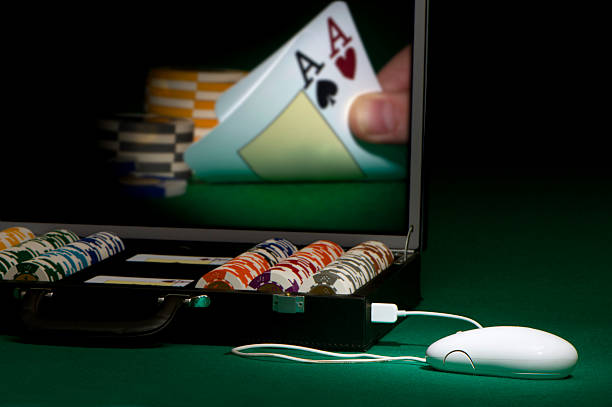
Level Up Casino: A Reflection of Cultural Engagement in Gambling
Level Up Casino Australia embodies the intersection of cultural perceptions and modern gambling experiences, offering a diverse gaming environment that caters to a broad spectrum of players. With over 3,500 games available, including slots, table games, and live dealer options, the platform serves as a reflection of the varying beliefs and expectations of players in the Australian market. This diversity allows for a rich player experience, accommodating different preferences and cultural backgrounds.
The platform’s commitment to player security and fair gaming aligns with the growing emphasis on responsible gaming, addressing cultural perceptions surrounding the need for a safe and trustworthy gambling environment. Operating under a Curacao eGaming license, Level Up Casino takes proactive measures to ensure fairness and transparency, thereby fostering positive beliefs among players regarding their safety and experience.
Additionally, the generous bonuses and VIP programs offered by Level Up Casino not only enhance the gaming experience but also reflect an understanding of player motivations and cultural engagement. By providing tailored experiences that resonate with players’ beliefs about value and reward, Level Up Casino elevates the overall gambling adventure, encouraging responsible participation while respecting cultural perspectives.
Plaats een Reactie
Meepraten?Draag gerust bij!